
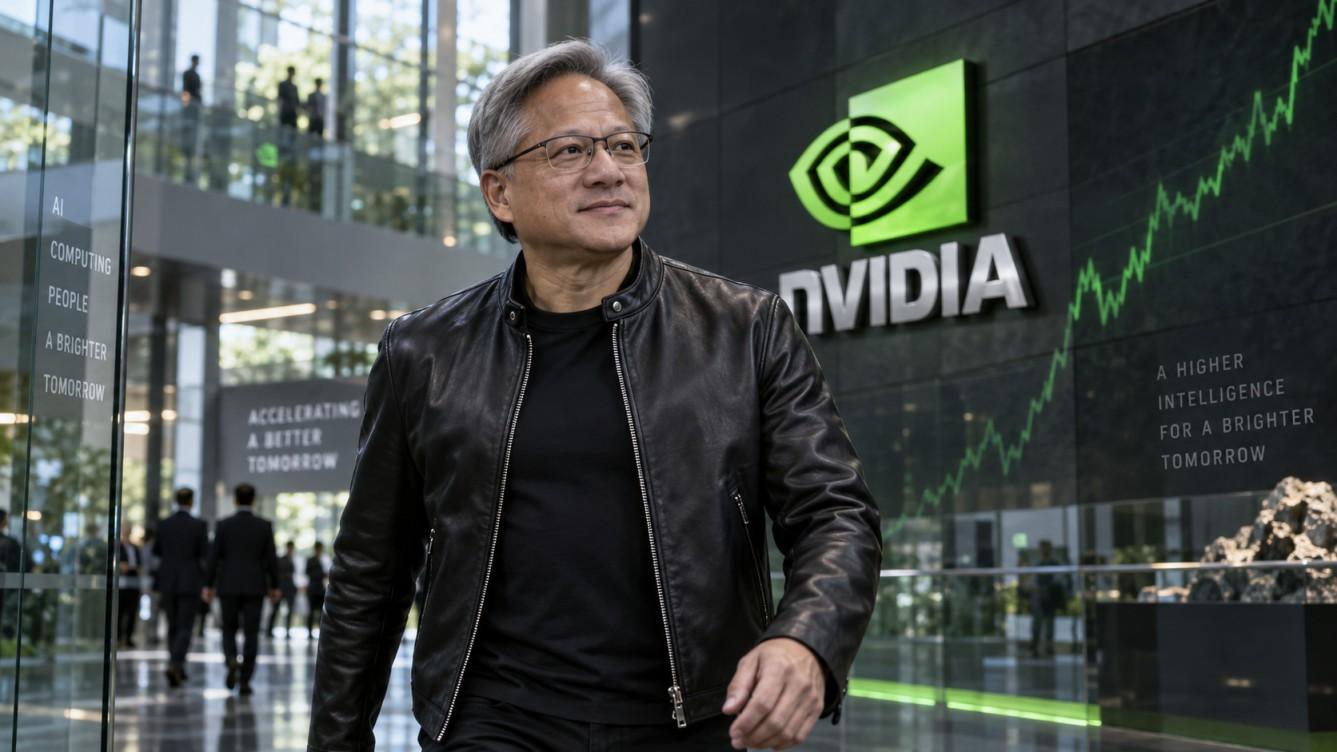
NVIDIA Reinstates Jensen Huang as CEO 11 Days After His Resignation
NVIDIA has reinstated co-founder Jensen Huang as president and chief executive officer, ending an 11-day leadership gap and reversing the board’s earlier position that it would not bring him back. Following a unanimous board vote on Sunday, November 22, the company announced the decision on Monday, November 23, with immediate effect. Huang also returns to NVIDIA’s board of directors. According to the company, directors were confident in his integrity and leadership capability after direct discussions, and briefings from senior U.S. government officials supported their conclusion that his return poses no national security risk.
NVIDIA shares surged about 33% at Monday’s market open to reach a range of $165.5-$167.5, adding roughly $1 trillion to the company’s market value, according to the Associated Press. The reinstatement follows Huang’s November 12 resignation and comes as an independent board committee continues investigating reports that he was targeted by a foreign intelligence effort.
Why NVIDIA’s Board Reinstated Jensen Huang
NVIDIA said the board reached its decision after a series of meetings and discussions with Huang, concluding that he remained the right leader for the company.
The board also cited input from senior U.S. government officials during its deliberations. Based on those briefings, directors determined that Huang’s return would not create a national security risk, though NVIDIA did not disclose details of those conversations.
Board Chair Harvey C. Jones said Huang’s return serves the interests of NVIDIA’s shareholders, employees, partners and customers. Jones will remain chair, while Huang resumes his executive responsibilities.
Huang said he was honored to return and pledged renewed commitment to leading the company. He thanked the board, Jones, interim CEO Colette Kress, NVIDIA employees, shareholders and partners for their support.
A Sharp Reversal From the Board’s Earlier Position
The decision marks a significant shift from the board’s public stance less than a week earlier. On November 17, NVIDIA said it did not intend to reinstate Huang and had begun looking for a permanent CEO after his resignation, appointing Chief Financial Officer Colette Kress as interim chief executive.
Further discussions between Huang and the board, alongside mounting support from investors and political leaders, prompted directors to reconsider. The unanimous November 22 vote formally ended the executive search, though the company has not described the move as a conclusion to the issues surrounding his departure.
Huang co-founded NVIDIA in 1993 and led its transformation from a graphics-chip maker into a dominant supplier of accelerated computing and AI hardware, restoring the company’s longtime leader at a time when its processors remain central to global AI infrastructure.
What Role Did Donald Trump Play?
President Donald Trump publicly supported Huang’s return, calling it the right decision and saying he had intervened with NVIDIA’s board. NVIDIA’s announcement, however, framed the move around the board’s discussions with Huang and input from senior U.S. government officials rather than attributing it solely to the president.
National security concerns remain central to the case because reporting surrounding Huang’s resignation included allegations involving a foreign intelligence effort and the possible diversion of advanced NVIDIA chips to China. U.S. authorities have not accused Huang of wrongdoing, and the allegations remain under review.
Huang is also scheduled to appear before Congress in two hearings set for December 1 and December 3, keeping federal scrutiny on the company even after his return to the executive suite.
The Investigations Are Still Ongoing
NVIDIA confirmed that its independent board committee will continue investigating reports that Huang was targeted by a foreign intelligence effort, noting that Huang supports the inquiry and is cooperating with it.
The board is also moving ahead with its National Security and Export Control Committee-established on November 17-to oversee trade compliance and national security risks, while launching a search for a chief compliance officer to strengthen governance across the company.
Federal authorities are conducting parallel reviews. The Justice Department is examining potential export-control violations tied to Singapore-based firm Megaspeed, congressional committees are investigating alleged chip smuggling to China, and media reports indicate the Securities and Exchange Commission is reviewing related compliance issues. NVIDIA has said it will continue cooperating with government inquiries.
NVIDIA Stock Rallies After Huang’s Return
NVIDIA’s 33% opening jump on November 23 erased much of the market value lost during the 11-day leadership crisis, reflecting the importance investors place on Huang’s leadership after days of governance uncertainty.
Beyond day-to-day management, Huang has shaped NVIDIA’s product strategy, relationships with major cloud customers and dominance in AI computing hardware. While his return removes an immediate leadership question, traders continue to weigh federal export-control probes and the upcoming December congressional hearings as key factors for the stock.
What Comes Next for NVIDIA?
Huang resumes the CEO role immediately, while Kress returns to her duties as chief financial officer and Jones remains board chair.
Attention now turns to Huang’s December 1 and December 3 appearances before Congress, ongoing Justice Department and congressional inquiries, and the company’s internal investigation, for which NVIDIA has not announced a completion timeline.